


Choosing the right dog breed is one of the most important decisions you’ll make as a future dog parent. With so many breeds to consider, it’s worth taking the time to find one that suits your lifestyle, home environment, and daily routine. Factors like temperament and potential health needs all play a role in how well a breed will fit into your life.
In this guide, we break down everything you need to know to choose the best dog breed for you and your household.
What breed is right for my living situation?

Where you live can have a big impact on which dog breed will thrive in your home. If you live in an apartment, a breed that adapts well to smaller spaces is usually a better fit. Smaller breeds, such as Cavaliers and French Bulldogs, often do well in apartments.
If you have a large backyard or access to outdoor space, bigger breeds like Labrador Retrievers and Golden Retrievers may be more suitable. These dogs need room to run and play, and a yard helps keep them physically and mentally stimulated.
It’s also important to consider noise levels. Some breeds, like Beagles or Huskies, are naturally vocal, which could be a challenge in apartments or close-knit communities.
How to Match a Dog’s Energy Level with Your Lifestyle
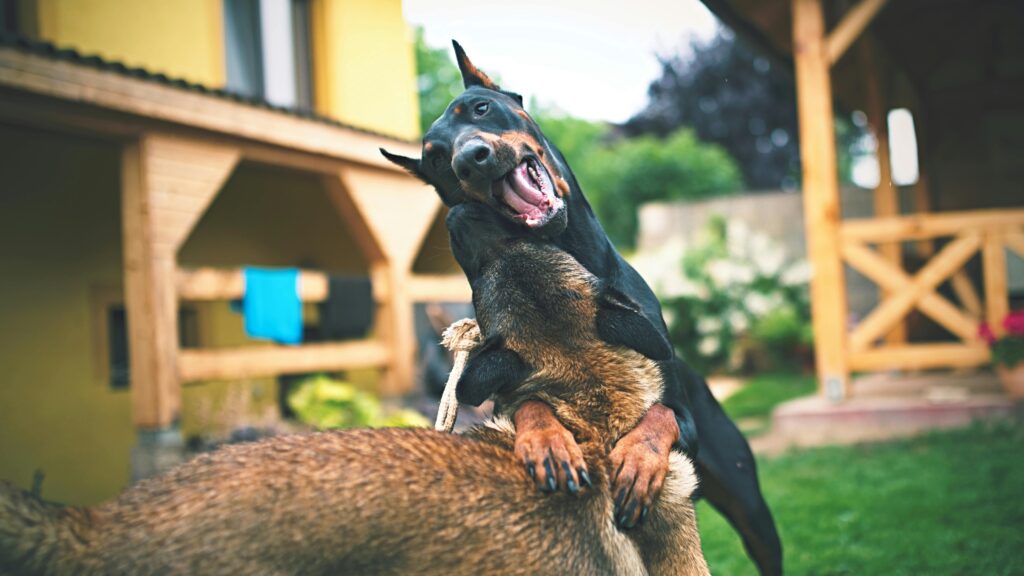
Choosing a breed that matches your lifestyle is key to keeping both you and your dog happy and healthy. Some breeds are highly active and need plenty of exercise, while others are more relaxed and happy with a calmer routine. Knowing the energy needs of different breeds makes it easier to find a dog that fits naturally into your life.
High-Energy Dogs
If you’re an active person who enjoys outdoor adventures like running, hiking, or biking, a high-energy breed might be the best fit for you. These dogs are full of energy and thrive on regular physical and mental stimulation. They excel when they have a job to do or ample space to burn off energy.
- Border Collie: Known for being one of the most intelligent and high-energy breeds, Border Collies love physical activities. They need both physical exercise and mental stimulation to stay engaged which makes them perfect companions for active individuals or families.
- Australian Shepherd: Much like the Border Collie, the Australian Shepherd is another highly energetic breed that thrives on activity. These dogs are natural herders, and they require consistent mental and physical stimulation. They love outdoor activities such as hiking and running, and they do well in active households.
- Vizsla: This breed is known for its boundless energy and need for exercise. Vizslas are incredibly athletic and are often described as “velcro dogs” because they love to stay close to their owners. They need at least an hour of exercise every day, and are perfect for individuals who enjoy outdoor activities.
Low-Energy Dogs
If you lead a more relaxed lifestyle or have a busy schedule that doesn’t allow for long walks and vigorous exercise, a low-energy dog breed may be a better match. These breeds are typically more laid-back and can be content with moderate daily exercise and a comfortable routine.
- Basset Hound: Known for their calm nature, Basset Hounds are happy with shorter walks and plenty of lounging time. Their low-energy level makes them great companions for people who want a dog that doesn’t require constant activity. While they still need regular exercise to keep them healthy, they aren’t as demanding as high-energy breeds.
- Shih Tzu: These small dogs are affectionate and love being around their owners, but they don’t require excessive exercise. A few short walks a day and some playtime indoors are usually enough to keep them content. Shih Tzus are ideal for people with a more laid-back lifestyle or those living in smaller spaces like apartments.
- Bulldog: Bulldogs are known for their relaxed and easygoing personalities. They require only moderate exercise, such as short walks, and they enjoy lounging around the house. While they need some playtime and mental engagement, they are generally calm and content with low-impact activities. This makes them a great fit for individuals who prefer a more relaxed routine.
While low-energy dogs may not require extensive physical exercise, it’s also important to remember that all dogs, regardless of their activity level, need mental stimulation. Providing regular enrichment activities, like puzzle toys, helps keep your dog’s mind engaged and prevents boredom.
Common Health Issues in Different Dog Breeds

Health considerations are another key factor when choosing the right breed. Some dog breeds are more prone to specific health conditions, so it’s important to be aware of these issues before making a decision. While no dog breed is guaranteed to be free of health problems, understanding the potential risks can help you prepare for any future medical needs.
Larger breeds like Great Danes, Saint Bernards, and German Shepherds are more susceptible to joint issues, such as hip dysplasia, while breeds with short snouts, like Bulldogs and Pugs, often experience breathing difficulties due to brachycephalic syndrome. Additionally, certain breeds may be more prone to specific health conditions, such as skin allergies in Dalmatians or eye issues in Cocker Spaniels.
To help you make an informed decision, research common health issues in the breed you’re considering. It’s also a good idea to choose a reputable breeder who prioritises health and conducts health screenings on their breeding dogs to reduce the risk of inherited conditions.
Choosing the “right” dog breed
There’s no right or wrong choice when it comes to picking a dog. While choosing a breed that fits your lifestyle is important, training plays a huge role in shaping your dog’s behavior and compatibility. A “good” breed without proper guidance can quickly become challenging, while breeds often seen as “scary,” like Rottweilers, Bulldogs, and Mastiffs, can be loving and gentle companions when trained well. Do your research, ask questions, and consider your preferences. With consistent training, you can build a strong, lasting bond with your dog.