


Bringing a puppy into your life is exciting, chaotic, and full of firsts from first walks to the first chewed up pair of shoes. One of the most important “firsts” you’ll guide your puppy through is socialisation. Done well, socialisation sets the foundation for a confident, well-adjusted adult dog. Done poorly (or skipped altogether), it can lead to fear, anxiety, and behavioural challenges later on.
This blog is your practical guide to puppy socialisation including what it is, why it matters, and how to do it safely.
What is puppy socialisation?
Puppy socialisation is the process of gradually and positively introducing your puppy to the world around them. This includes new people, dogs, environments, sounds, surfaces, and everyday experiences.
Socialisation isn’t about overwhelming your puppy or throwing them into busy situations too early. It’s about helping them learn that new experiences are safe, manageable, and nothing to worry about.
The most important socialisation window typically falls between 3 and 14 weeks of age, when puppies are naturally more open and curious. Experiences during this time have a lasting impact on how your dog responds to the world as an adult.
Benefits of socialisation

Well-socialised puppies don’t just behave better, they feel better too. Socialisation plays a crucial role in shaping how your puppy experiences the world, helping them grow into a calm, confident, and emotionally resilient adult dog. Early socialisation helps puppies learn that the world is a safe place, even when things are unfamiliar. It supports healthy emotional development, improves communication skills with other dogs and humans, and makes everyday experiences, from walks to vet visits, far more enjoyable for everyone involved.
More confidence, less fear
Puppies who are gently exposed to new situations early are less likely to develop fear-based behaviours like reactivity, barking, or anxiety.
Better dog-to-dog communication
Learning how to read other dogs’ body language and signals is a skill. Safe interactions during puppyhood help dogs understand boundaries and play appropriately.
Easier vet visits, grooming, and handling
Puppies who are used to being touched, handled, and moved are far more relaxed during grooming sessions and vet checks.
Smoother transitions into adult life
From busy cafés to doggy daycare, socialised puppies adapt more easily to change. For many Auckland pet parents, structured environments like puppy daycare play a huge role in building these skills safely.
Tips for safe socialisation
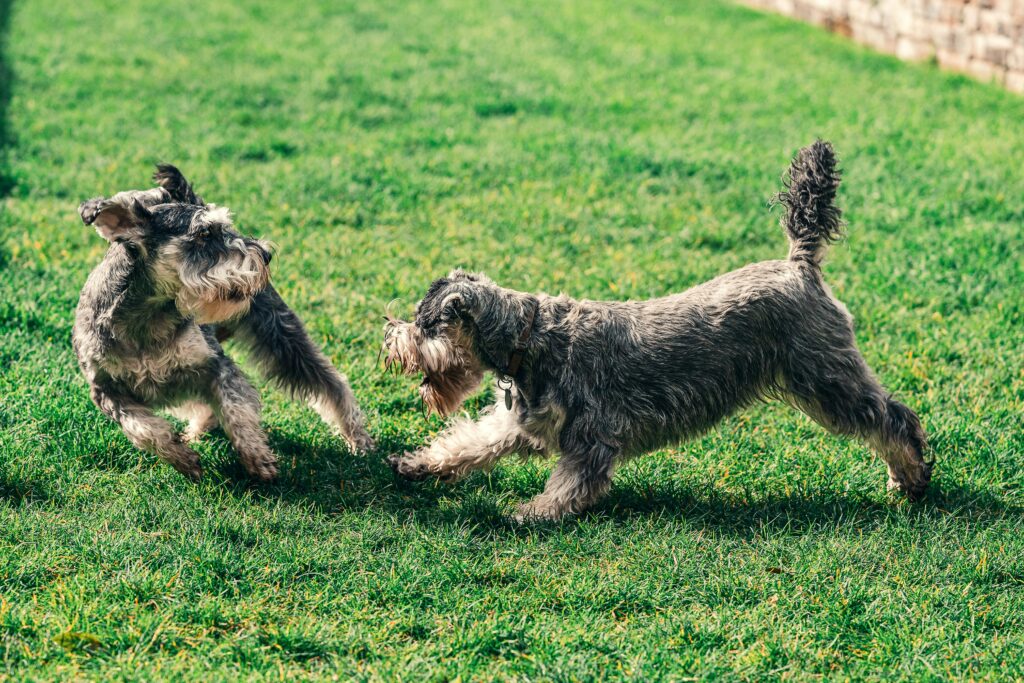
Dog socialisation should always be intentional, gradual, and age-appropriate. Here’s how to do it right…
- Start small and build up
Begin with calm, controlled experiences such as meeting friends and family members, hearing household noises, and walking on different surfaces. Gradually introduce busier environments as your puppy gains confidence.
- Quality over quantity
It’s better to have a few positive interactions than many overwhelming ones. One calm, well-matched dog is far more valuable than a chaotic group.
- Watch your puppy’s body language
Yawning, freezing, tucked tails, or avoidance are signs your puppy may be feeling unsure. When this happens, take a step back, slow things down, and give them space.
- Avoid uncontrolled dog parks early on
Busy dog parks can be overwhelming and unpredictable for young puppies. One bad interaction can undo weeks of good socialisation.
- Choose the right doggy daycare
A well-run doggy daycare offers one of the safest and most effective ways to socialise your puppy, especially for busy Auckland families.
Look for puppy daycare programmes that:
- Separate puppies from adult dogs
- Group dogs by size and temperament
- Allow rest breaks and quiet time
- Focus on learning, not just play
How doggy daycare supports socialisation

Doggy daycare is about more than burning off energy. In a well-run doggy daycare with a dedicated puppy programme, young dogs learn how to navigate social environments calmly and confidently. They’re guided on how to play appropriately, when to take breaks, and how to settle around other dogs without constant excitement. These early lessons help puppies develop self-regulation and positive social habits that carry through into adulthood.
For many families, puppy sessions within a structured doggy daycare provide consistent, positive exposure to new dogs, people, and environments. This kind of experience is difficult to replicate at home and plays an important role in helping puppies grow into well-adjusted, confident adult dogs.
Final thoughts
Socialisation isn’t about creating a “perfect” puppy. It’s about raising a dog who feels safe, confident, and comfortable in the world they live in. By starting early, keeping experiences positive, and choosing the right support systems, you’re giving your puppy the best possible start in life.