


If you’ve ever called your dog’s name at the park only to watch them happily run in the opposite direction, you’re not alone. Recall is one of the most important skills a dog can learn, yet it’s also one of the most challenging to train consistently. Good recall training isn’t just about convenience. It’s about safety, trust, and giving your dog the freedom to explore the world while knowing they’ll come back when you call.
In this guide, we’ll cover what recall training is, why it matters, and what to do if your dog ignores you. We’ll also look at how environments like an Auckland doggy daycare can help reinforce social and behavioural skills that support recall.
What Is Recall Training?
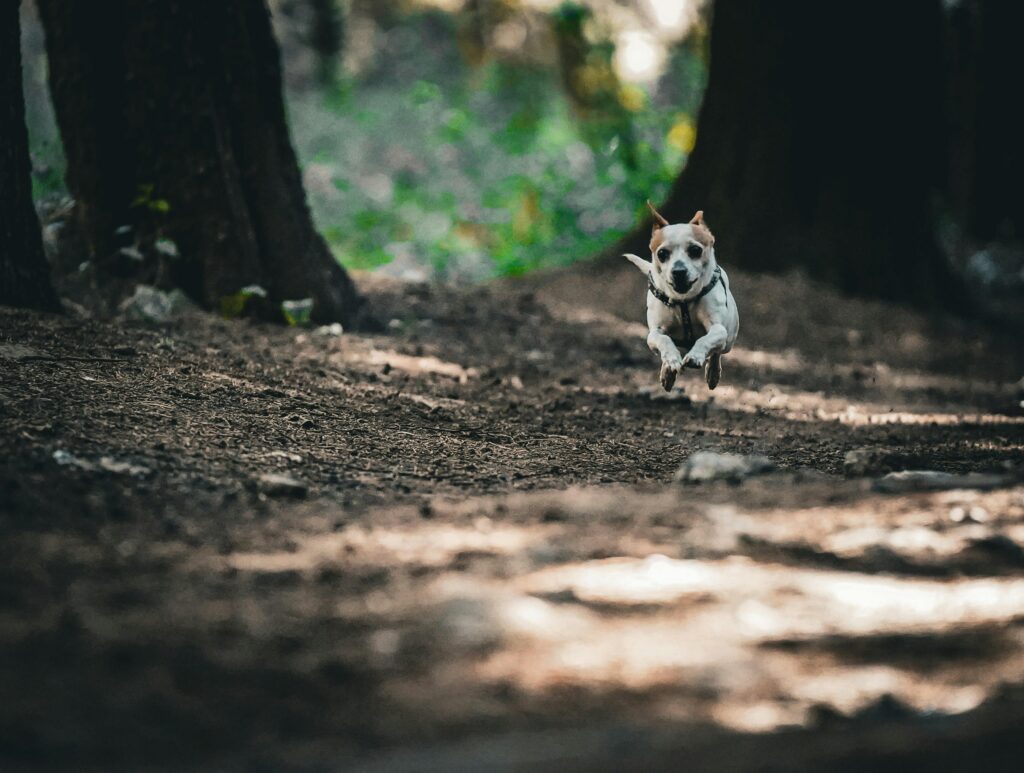
Recall training simply means teaching your dog to return to you immediately when called. The cue might be their name, a command like “come,” or a whistle. Regardless of the signal you choose, the goal is that the command will make your dog stop what they’re doing and return to you.
A reliable recall is built through repetition, positive reinforcement, and consistency. Dogs learn that coming back to you leads to something good, whether it’s praise, treats, toys, or play. Over time, recall becomes a habit. Your dog learns that responding to your call is rewarding and safe. The stronger this association becomes, the more reliable the command will be.
Why Is Recall Training Important?
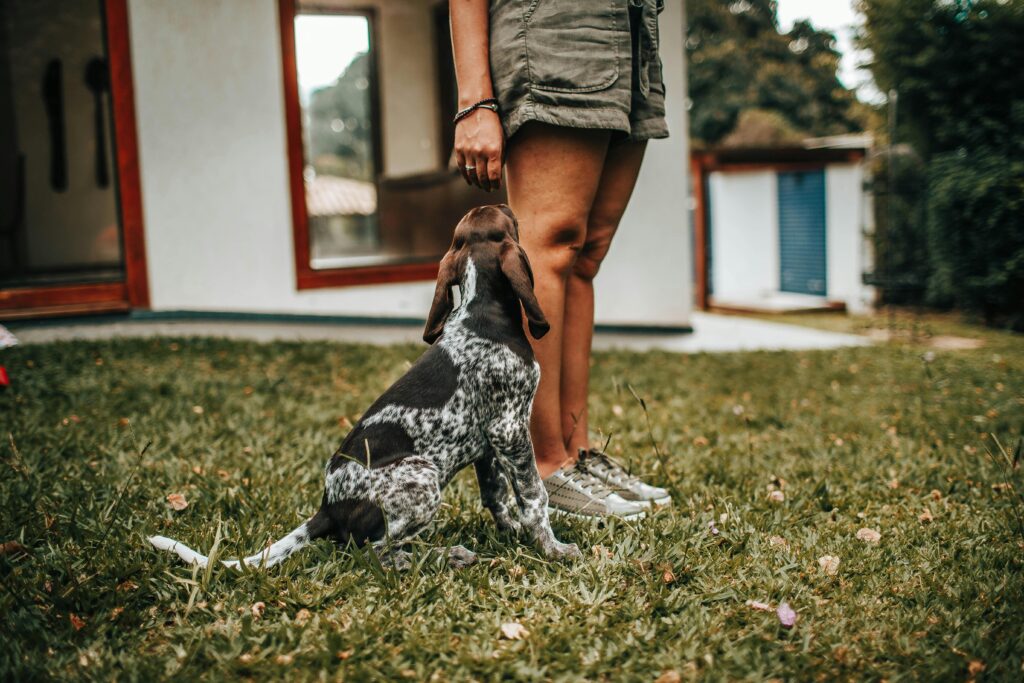
Recall training is one of the most valuable skills a dog can develop. First and foremost, it’s about safety. If your dog ever slips out of the yard, runs toward a road, or chases wildlife, being able to call them back quickly can prevent them from getting into dangerous situations. Recall also allows dogs to enjoy more freedom. Dogs with reliable recall can safely enjoy off-lead walks, beach adventures, and park playtime. Without recall, owners often feel forced to keep their dogs on a lead at all times.
Beyond safety and freedom, recall training also strengthens the bond between dog and owner. Your dog learns to trust that responding to you is worthwhile, and you gain confidence in your dog’s behaviour. For dogs who attend an Auckland doggy daycare, recall-like behaviours are also reinforced through structured environments where dogs learn to respond to handlers, follow cues, and settle when asked.
What If My Dog Doesn’t Come When Called?
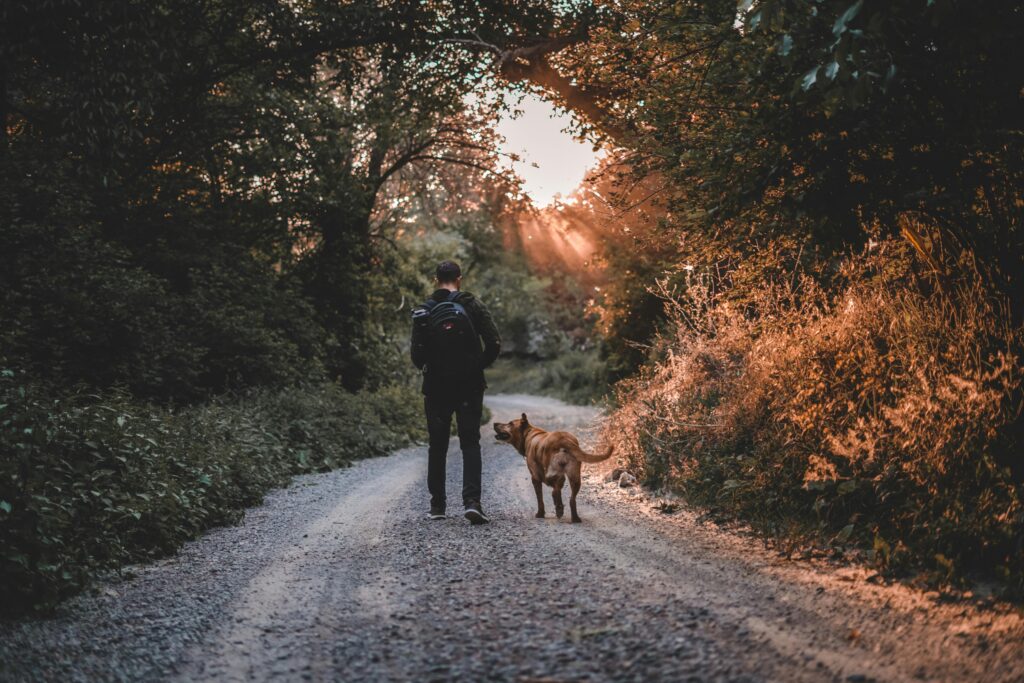
Many dog owners feel frustrated when their dog ignores them during recall training. The truth is, most dogs aren’t deliberately being stubborn; they’re simply responding to what feels more rewarding in the moment. If your dog is playing with another dog, sniffing something interesting, or exploring a new area, those activities can feel more exciting than returning to you.
Common reasons dogs ignore recall include:
- The environment is too distracting.
- The dog hasn’t fully learned the command yet.
- The dog associates recall with something negative (like the end of playtime).
- The reward for coming back isn’t motivating enough.
If your dog doesn’t come when called, avoid punishing them when they eventually return. This can create a negative association with recall and make them less likely to come back next time. Instead, focus on making returning to you the best option available.
Recall Training Tips
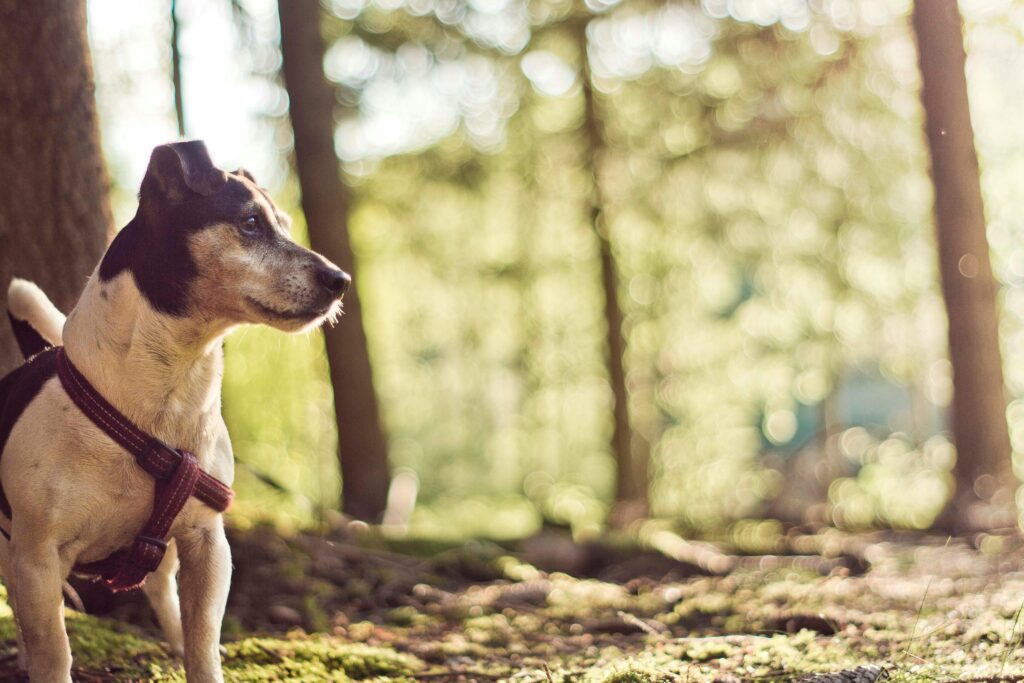
Building reliable recall takes patience, but a few key strategies can make a big difference.
- Start in Low-Distraction Environments
Begin recall training in a quiet place such as your home or backyard. Once your dog consistently responds, gradually increase the difficulty by practising in parks, beaches, or other public spaces. Starting with limited distractions helps your dog understand how recall works and builds confidence.
- Make Coming Back Rewarding
Always reward your dog when they return to you. This can include treats, praise, toys, or a quick game. The goal is for your dog to think that coming back to you is always worth it. Varying rewards can also keep recall exciting and unpredictable for your dog.
- Avoid Only Calling When Fun Ends
One common mistake is only calling your dog when it’s time to leave the park. If recall always signals the end of playtime, your dog will quickly learn to ignore it. Instead, call your dog, reward them, and release them back to play again. This helps your dog understand that coming back doesn’t always mean the fun stops.
- Don’t give up
Consistency is key with recall training. Short training sessions a few times a week will build stronger habits than occasional long sessions. Practising recall during walks, play sessions, or training games helps reinforce the behaviour naturally.
Socialisation Helps Reinforce Behaviour
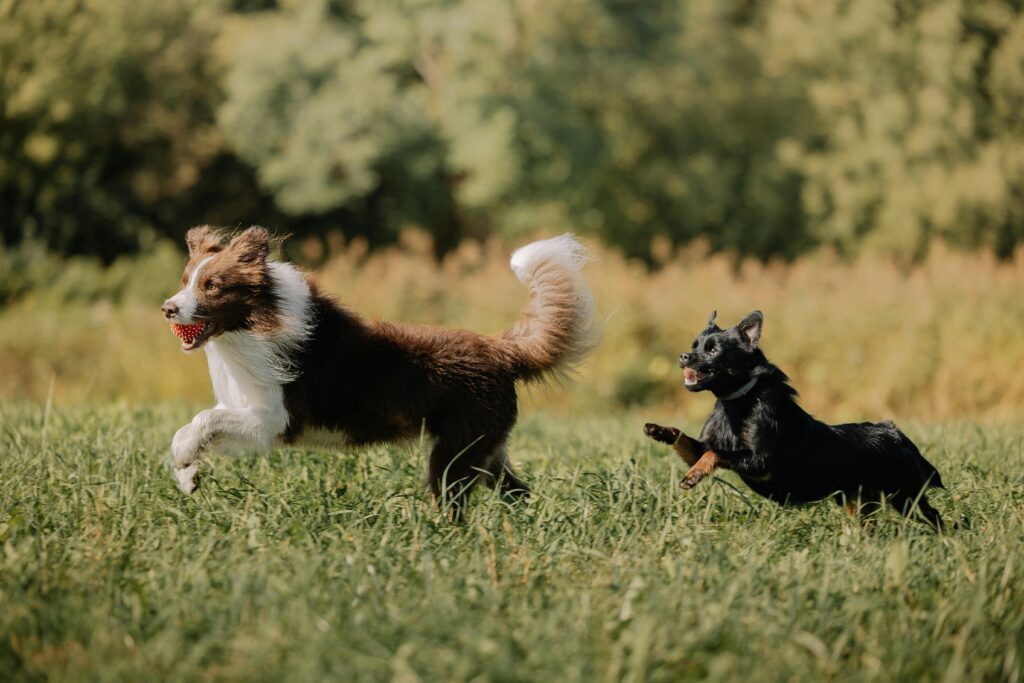
Dogs who regularly interact with other dogs and experienced handlers often develop stronger listening skills overall. Environments like a doggy daycare can support this development. At K9 Heaven, dogs experience structured socialisation, supervised play, and interaction with trained staff who guide behaviour and encourage calm responses. While daycare doesn’t replace recall training at home, it can help your dog develop confidence, impulse control, and social awareness, all of which support better responsiveness when called.
Final Thoughts
Recall training is one of the most valuable investments you can make in your dog’s development. It improves safety, strengthens your bond, and allows your dog to enjoy greater freedom in the world around them. Like most training, success comes from patience, repetition, and positive reinforcement. Start small, build gradually, and celebrate progress along the way.